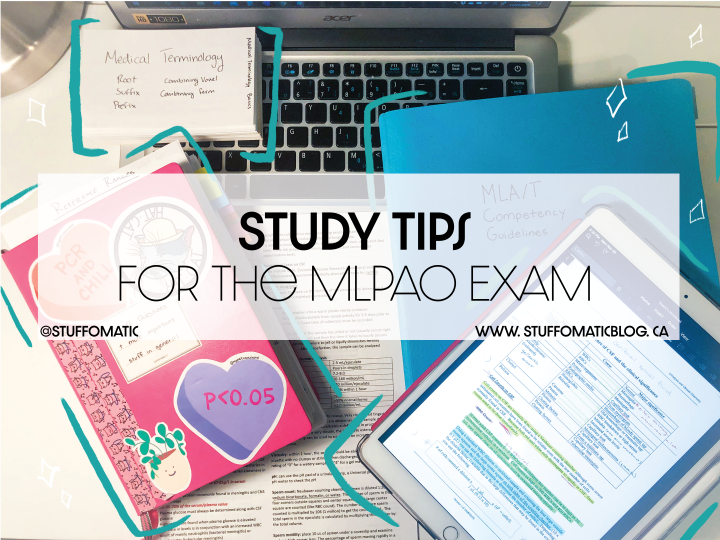
After months of preparation, I successfully challenged the MLPAO MLA/T Certification Exam and got a passing score! Unfortunately, I don’t know what my official grade is, but I passed with a grade above the minimum 60%, and that’s all that matters! In this blog post, I’ll be explaining what the MLPAO Certification Exam is and I’ll be giving some tips that have helped me when preparing for it!
What is the MLPAO Exam?
To summarize, the Medical Laboratory Professionals’ Association of Ontario (MLPAO) is the certifying body for Medical Lab Assistants/Technicians in Ontario, Canada. Being certified by the MLPAO is preferred by many Ontario employers since it validates that a person has attained a recognized level of standards and training through MLPAO-approved schools. You have three opportunities to take this exam in a year! Generally in the Winter, Summer, and Fall.
For more specifics about the MLPAO Medical Laboratory Assistants/Technicians Certification: https://www.mlpao.org/mlat
How Do I Prepare For It?
AI thought that I would share some of the things that I did to prepare for the exam. I should note that these tips are what personally helped the most when studying. These are study techniques that I’ve personalized to suit my own needs and my learning style. I can only hope that you find this information helpful as well!
Start Studying ASAP
Like with any healthcare profession, there is A LOT an MLA/T needs to know in order to practice in the workplace and meet the provincial standard. It can be overwhelming, especially if you make the mistake of starting your studying a couple of weeks before the exam.
I understand it can be hard; responsibilities and life, in general, gets in the way sometimes for you to have a satisfying study session. That’s why you should start preparing for it earlier rather than later! The more time you give yourself to study allows you to have the greater possibility of satisfying study sessions and lets you sink in all that information rather than cram.
Look Through the Competency Guidelines
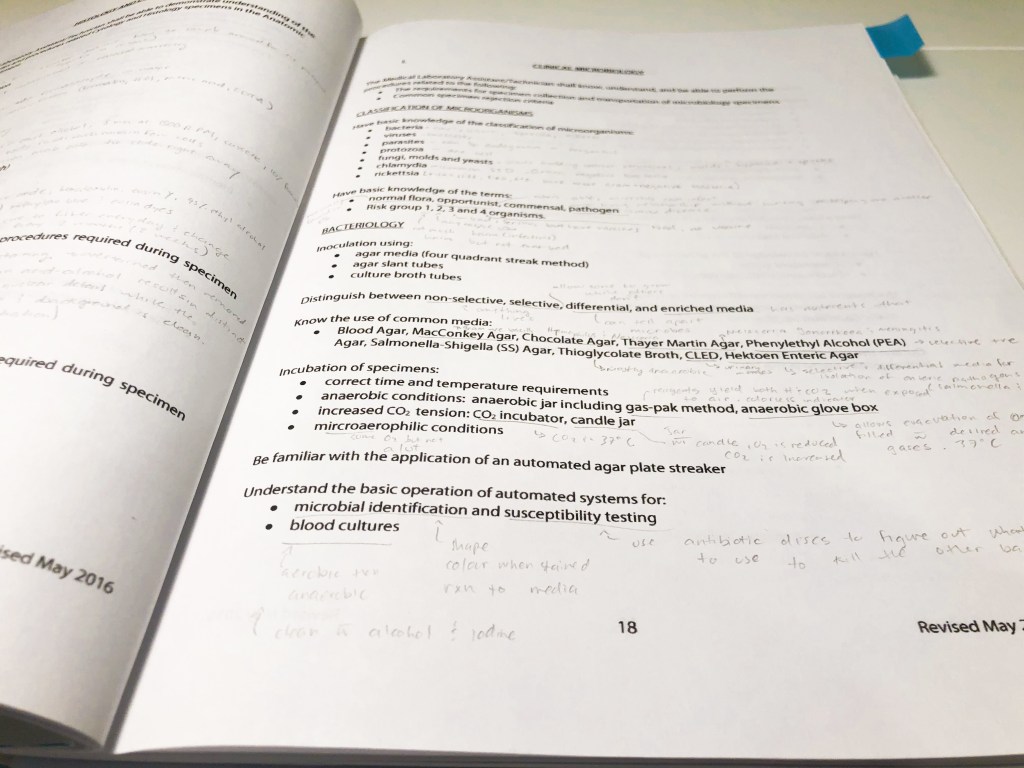
I definitely recommend downloading the Competency Guidelines from the website! Inside contains everything the exam will test you on and the percentage of questions you’ll find in each category of the exam. It’s incredibly helpful when you don’t know where to start or don’t know what to focus on when making your notes.
For example, in Section E. Specimen Procurement, Processing, and Data Collection, (5) says that I should “Recognize the terms and uses of anticoagulants and preservatives”. I would then do either of the following:
- Write down all I know about that subject and then look at my notes to see if there was anything wrong or anything that I missed, or
- Look at what my notes from school or the textbook says and write that down
I did this for each category and for every statement in the guidelines to ensure that I didn’t miss anything in my notes and to highlight topics that I had mistakenly thought were not important during lectures.


Focus on Your Hardest Area First
It’s easy to choose to focus on your favourite topic over your more difficult one. While I was studying I kept steering towards studying Hematology, which was my favourite topic, instead of focusing on my least favourite topic which was Clinical Chemistry and Math. This wasn’t good because I already understood and felt confident with Hematology; there was no need for me to focus more time on a subject that I felt confident in over a topic I felt dumb in. So, what I did was dedicate larger time blocks for Chemistry and Math throughout the week, and it would be the first topic to tackle on my to-do lists. This allowed me to have extra time to fully understand definitions and concepts, which eventually built my confidence in the particular subjects.
Create a To-Do List
It’s so important to manage your time and stay organized when studying for the exam (or for any test). There are a lot of topics to cover for the MLPAO exam, and a lot of sub-topics to look over that can be overwhelming and overall hard to focus and know where to start for your study session. What I did was write down what topics I needed/wanted to focus on for that day on a whiteboard and would cross them out as the day went on. This not only helped me stay organized and keep track of what I had studied, but it also helped me see how much I studied. There were times when I thought that I didn’t study enough, but then I’d look at my board and see how much I actually accomplished that day. It was incredibly helpful!
Make Summary Sheets and Flashcards
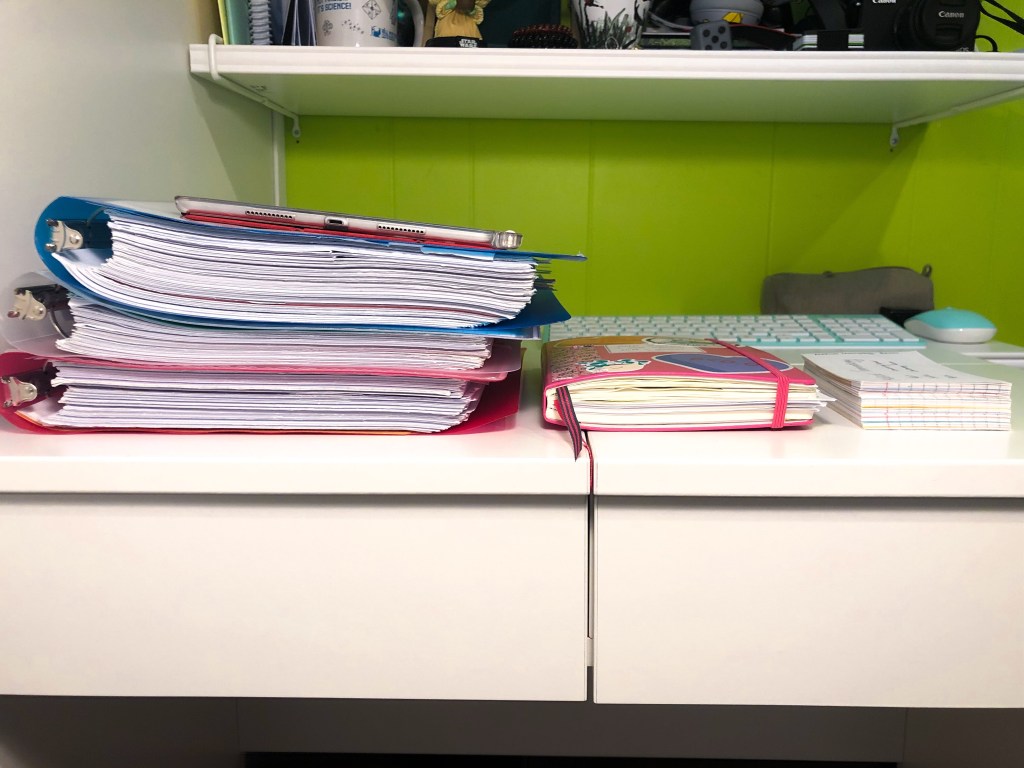
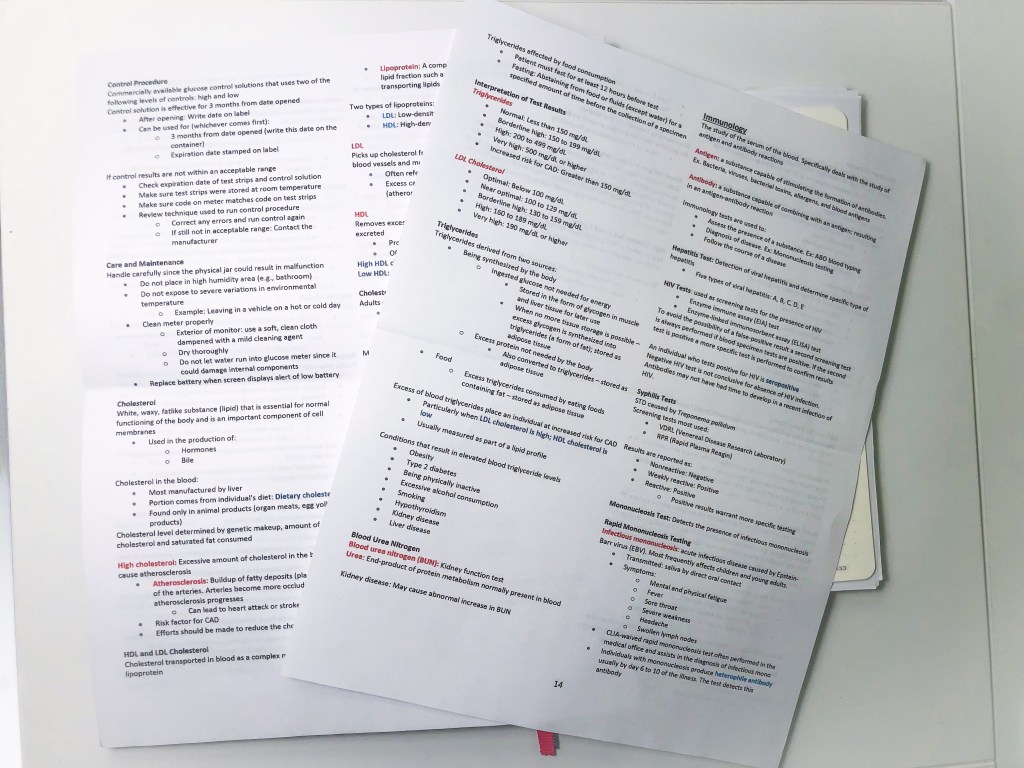
Your school notes can be A LOT with multiple PowerPoints, handouts, notes from textbooks, and the internet. Personally I have 3 thick binders full of handouts and notes, some of those notes have redundant information. What I like to do is to create summaries of these topics so that it’s easier to access the information, and so that I can visually see the information and present it in a way that helps me retain it.

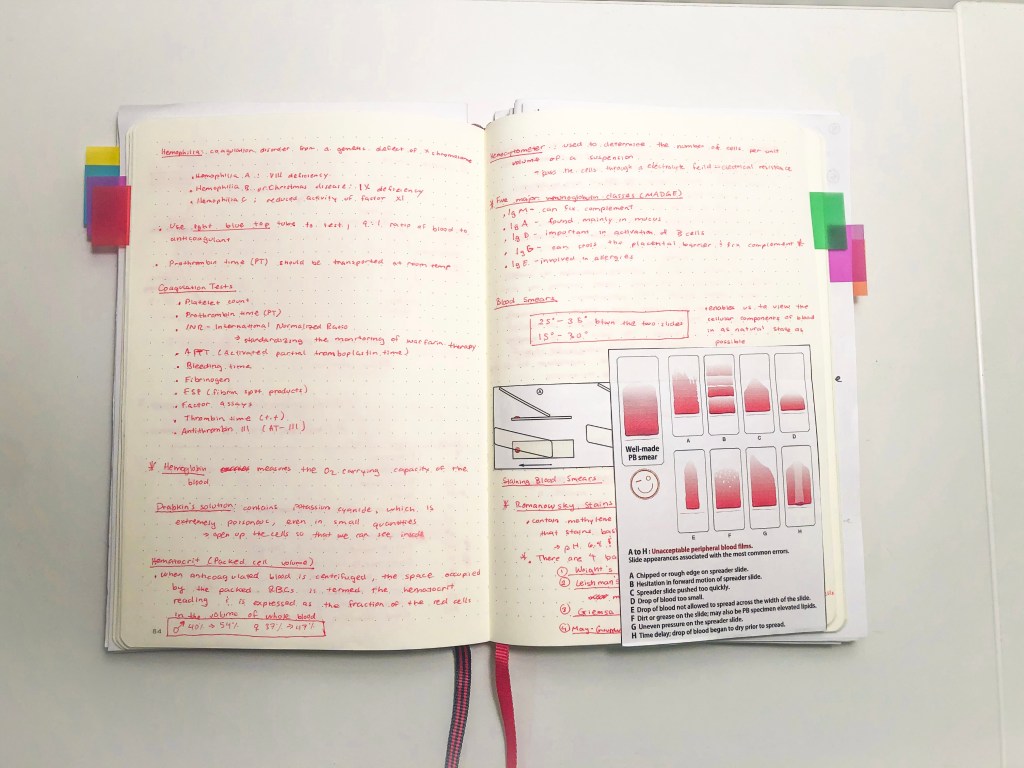
Truthfully I don’t use cue cards or Quizlet very often. What I’ve come to enjoy is using small notebooks to put basically what you’d put on a cue card but slightly more in-depth. I also enjoy adding big pictures (especially with anatomy) in my books to get a better visualization and understanding of the subjects. You can sort of think of these as mini subject books that give you a quick but thorough rundown of the subject/course I’m studying at the moment.
I would add notes in the notebook that are specific to MLPAO questions and the overall final exam for my program. It has information that’s been pointed out by my instructor to be very important info and potential MLPAO exam questions as well as things outlined in the MLPAO Competency Guidelines. In addition to this notebook, I have summary sheets of some topics such as microbiology and clinical chemistry since they were topics that I wasn’t able to write in the notebook in time before the exam (due to laziness). They’re essentially what I would have put into the notebook just printed out!
I turn to cue cards when I really want to remember certain information that I think is very important (such as order of draw) since they’re easily accessible compared to a book and I can just refer them out whenever I want to!

Do Practice Questions and Try Timing Yourself
If you have practice questions (whether they were given to you by your college, from friends, or from the internet) I would highly suggest timing yourself and act as if it was the exam. In my opinion, replicating the exam environment can really help you mentally prepare for it, help you learn how to pace yourself when the time comes, and highlight the topics you need to focus on.
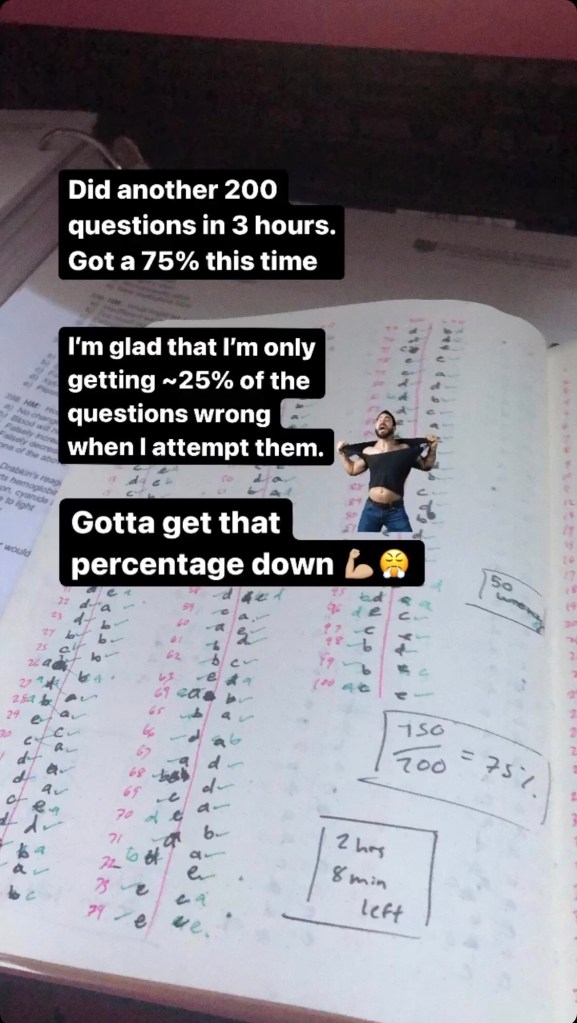
The exam (in Nov. 2020) was 200 questions with a 3-hour time limit. So I set up my workspace to that it was empty and quiet, had 200 questions from the reviews my college gave me, set my timer for 3 hours, and just went for it. After 3 hours I checked my answers and took note of what the topic of the questions was. This helped me pinpoint where exactly I needed to focus on in later study sessions.
This was especially helpful when I was starting to prepare for the exam. I did this at the very beginning of my preparation (before I started studying for the exam) to see how much I initially knew. From there I was able to see what areas I needed to cover. Then I kept doing the questions to further highlight areas to focus on as time went on. This tip really goes hand-in-hand with the previous one!
Below are some of my thoughts when doing these practice questions:



Pace Yourself and TAKE BREAKS
It is so important to take breaks and to pace yourself when studying! This is especially true when you want to avoid burning out. Not only does taking a break help to avoid burning out, but it also helps increase focus, reduces stress, and helps you retain the information you learned.
What I like to use is something similar to the Pomofocus Technique, or the Tomato Timer Technique. Essentially, you break down all of your tasks into 25-minute time blocks with 5 minute breaks in between. This helps you focus on the task (or subject) right in front of you rather than multi-tasking, and also forces you to take a break once that timer is up.
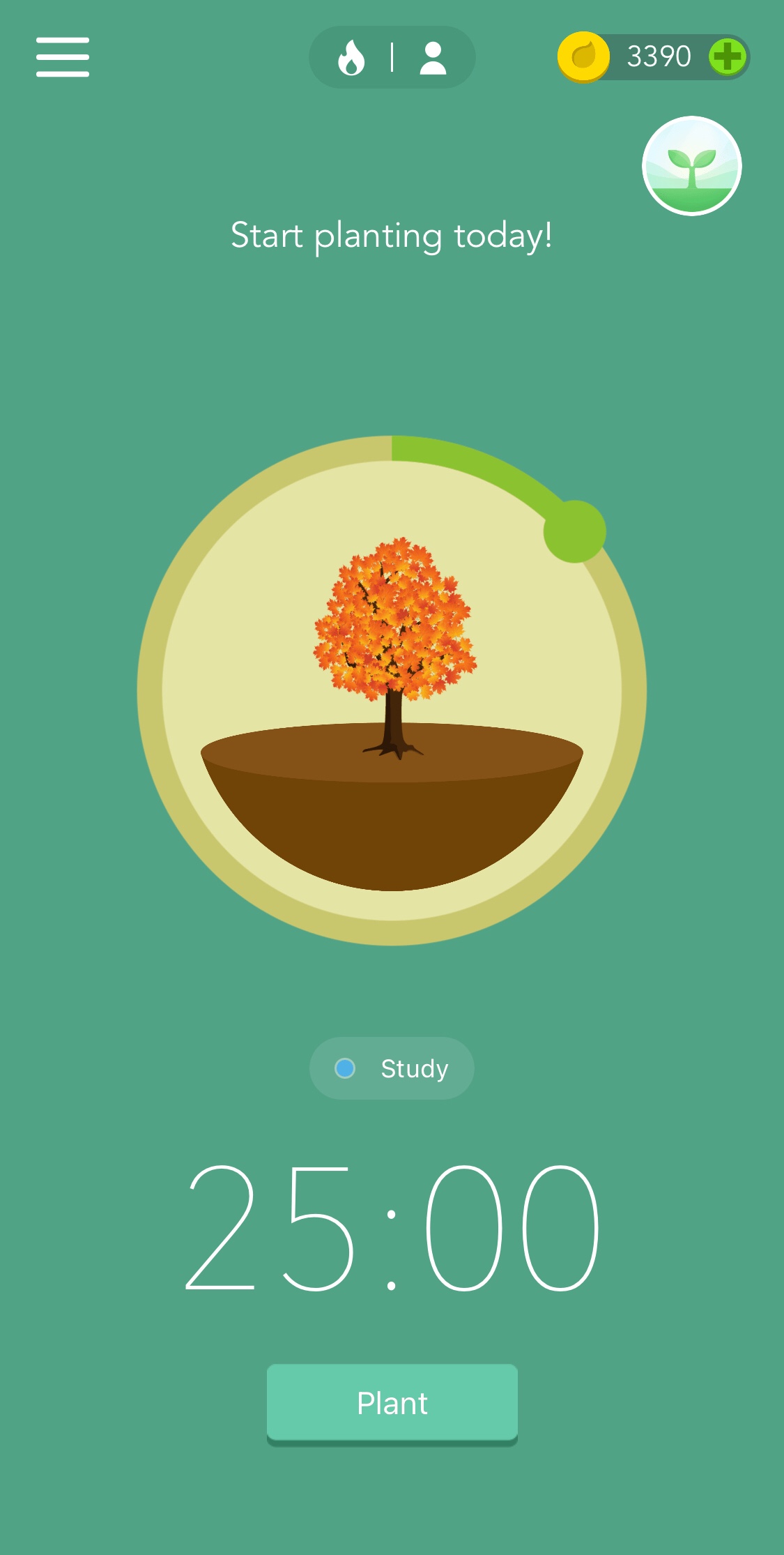
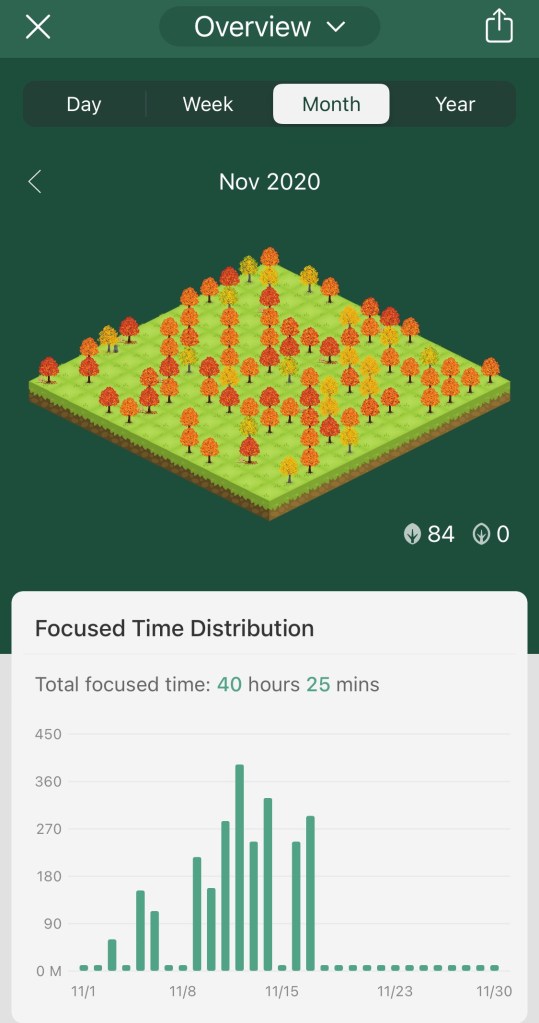
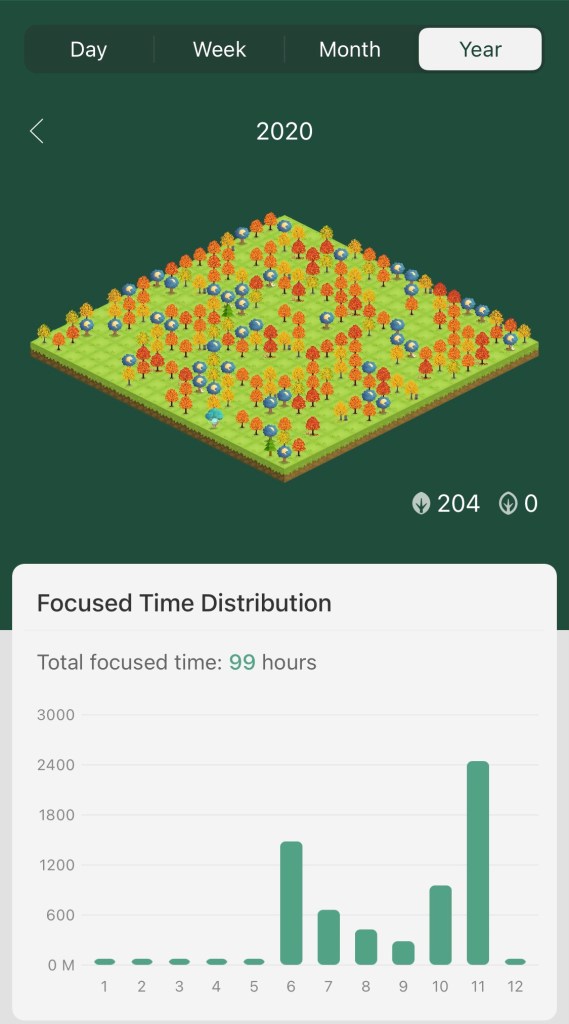
I use the Forest app on my phone which helps you stay focused by planting a tree. The tree will grow while you focus on your work, and if you leave the app (ex. you go and check Twitter or Instagram) the tree will die! Generally, I would do 30 – 60 minutes of studying, then a 10-15 minute break in between. The time I spent studying depended on the topic I was studying.
Try to Stay Positive!
This one is hard, I know, but it can really help. I know I can be hard on myself and push myself too much to the point where I start to believe that I’m not ready for the exam and that I’d fail. The stress starts to build up on us, especially as the exam comes closer and closer; it can be hard to stay positive and not think that you’re going to fail. All these negative thoughts about taking the exam start to clutter your mind, which can lead to a downward spiral and affect your mental health. That’s why it’s so important to stay positive, or to keep those negative thoughts at bay.
Stay positive can improve your mental health and reduce the amount of stress you put yourself through when your studying. It can be motivating to stay positive since you essentially start to believe in yourself and that you’ll be okay when taking the exam.
One way to stay positive is by telling yourself positive things such as “I have studied and worked hard throughout my program and leading up to this exam, I’m going to pass!”. Personally, I don’t like to tell myself “I’m going to pass!” because I’m scared of disappointing myself and not passing. Instead, what I like to do is tell myself things like “I am going to do my best”, “it’s hard to focus on studying, but it’s okay, I can try again after a 5 minute break”, “it’ll be worth it in the end”, “it’s only 200 questions, it could be a lot worse (I’ve had longer exams)”. Do what makes you feel better!
I hope these tips are helpful to some of you and maybe can help you with exams in general! Of course, there is a lot more that you can do to prepare yourself for the exam, these are just some of the main tips and tricks that helped me!
Resources
MLPAO Practice Exams: https://www.mlpao.org/mlpao-practice-exam
More information about the exam: https://www.mlpao.org/mlat-exam
Competency Guidelines: https://2ec078b7-7746-4171-9a7f-264a2127abe3.filesusr.com/ugd/b8cf07_f53ca89be1ac4ad39541cd4d04107068.pdf
Now some questions for you!
What are your best studying tips?? What do you like to do to prepare for an exam??
Comment down below!
Thanks for reading!

 Noemi’s Corner
Hi! I am a medical technologist in the Philippines and I just moved here in Canada. Im planning to take the MLPAO exam this upcoming March, I just wanna ask what are the resources you used in your preparation for the exams? Can you please make a list of your reviewers/books that you used? Unfortunately, all my textbooks and review material are in the materials so I am desperately looking for review materials. Thank you so much!
LikeLiked by 1 person
Hi there! Thanks for bringing that up. I’ve just updated the blog post to contain the resources I used to prepare for the exam.
The practice exam MLPAO provides is an excellent source and gives you a better understanding of what the questions are like in the exam. You do have to purchase it tho, but it’s still an excellent source.
In addition the MLPAO Competency Guidelines provides a list of textbooks and documents that can help you a lot in your studies. The guidelines also helps in making your own review for the exam.
I relied on the Competency guidelines in making my own review, along with my instructors notes and his own review, so I really only used “Clinical Procedures for Medical Assistants , 9th ed. 2015” by Kathy Bonewit-West. Tho the rest of the resources listed are equally as good and provide great information for the exam.
I hope that helps!
LikeLike
Hi can I please get in touch with you ?
About the MLPOA
LikeLike
Hi there! You can contact me on my social media’s or using the contact form at the bottom of my “Welcome” page: https://stuffomaticblog.ca/
Thanks!
LikeLike
Hi, thanks for sharing.I Will take the exam this coming November, I hope to pass the exam. Can I get in touch with you regarding with the reviewer? Thanks,
LikeLike
Is Quizlet a reliable source for studying
LikeLike
Yes!! Not only can you use it to prepare your own online study cards, but you can also view others study cards!! You just have to be aware of the other persons study cards just in case they have an incorrect answer.
LikeLike
I’m preparing for an exam in the fall.
Your articles have helped me a lot and I hope you are always happy.
LikeLike
can you please tell me where can i get practice question answers ?! Have exam in few weeks!
LikeLike
Hi there!! In all honesty I don’t remember where the answers are (it’s been a couple of years). I think I had to still Google them up, search my textbooks, and/or asked my peers for the answers. Sorry that’s not the greatest answer!!
LikeLike